
Recovery from traumatic brain injury (TBI) extends well beyond the initial impact. Following a concussion or other head injury, the brain initiates a complex biological response involving changes in cellular metabolism, inflammation, oxidative stress, mitochondrial function, neuronal signaling, and neuroplasticity. Together, these processes influence the trajectory of recovery by shaping the biological environment in which healing and adaptation occur.
Low-dose lithium has emerged as an area of growing scientific interest as it influences several biological processes involved in the brain’s response to injury. While lithium is best known as a prescription medication used to treat bipolar disorder, it is also a naturally occurring trace mineral found in soil, water, and some foods. Lithium has a long history of therapeutic use, evolving from early mineral–based applications to its established role in modern medicine. At nutritional doses, research suggests lithium may modulate inflammation, mitochondrial function, and the brain’s natural capacity to adapt following injury.
This growing body of research has led to the development of the Head Impact–Inflammation–Low-Dose Lithium (HILL) framework, an emerging scientific model that integrates current understanding of concussion biology with the potential role of low-dose lithium in supporting the physiological processes involved in recovery. While this research remains in its early stages, it reflects a broader shift toward understanding traumatic brain injury as an evolving biological process and exploring strategies that may help support the brain’s intrinsic capacity for healing.
Supporting The Biological Processes Involved in Recovery
Low-dose lithium has attracted attention because it may influence several interconnected pathways involved in the brain’s response to injury. Research suggests these effects may include supporting inflammation regulation, reducing oxidative stress, protecting mitochondrial function, promoting neuronal survival, and enhancing neuroplasticity. Together, these mechanisms contribute to the biological conditions that support adaptation following injury.
Healthy Inflammation Regulation
Inflammation is one of the body’s first responses to injury. Following a traumatic brain injury, microglia–the brain’s resident immune cells–become activated to remove damaged tissue, coordinate the healing response and support recovery. This early inflammatory response is essential for healing.
Difficulties arise when this protective response becomes prolonged or dysregulated. This period of heightened vulnerability reflects the broader neurometabolic cascade of TBI, in which inflammation, oxidative stress, mitochondrial dysfunction, and changes in energy metabolism interact to influence symptoms and recovery. Following injury, the blood–brain barrier—the protective system that helps regulate communication between the brain and the rest of the body—may become more permeable, allowing inflammatory signals to more easily affect the brain and potentially prolong the inflammatory response. This can contribute to ongoing neuronal dysfunction, additional cellular stress, and prolonged symptoms. Persistent neuroinflammatory activity has been implicated in many of these secondary changes following traumatic brain injury, making it an important focus of current research.
Low-dose lithium may help promote a more balanced inflammatory response while reducing processes associated with secondary neuronal injury. These insights have contributed to growing interest in lithium as a potential strategy for supporting the brain’s natural capacity to respond and adapt following injury.
Mitochondrial Function & Cellular Energy
One of the defining features of the neurometabolic cascade is an imbalance between the brain’s energy needs and its ability to produce sufficient energy. Following injury, neurons may enter a state of metabolic stress in which energy demands remain elevated while cellular energy production becomes less efficient. Because neurons rely heavily on mitochondria to generate ATP, mitochondrial dysfunction may limit the energy available for repair and recovery.
Low dose lithium has been suggested to support mitochondrial function, promote cellular energy production, and reduce oxidative stress. By helping preserve mitochondrial function, lithium may support the substantial energy demands required for neuronal communication, cellular maintenance, and adaptive remodeling following injury.
Neuroplasticity & TBI
Recovery following traumatic brain injury (TBI) depends not only on protecting existing neurons, but also the brain’s remarkable ability to adapt. Neuroplasticity refers to the brain’s capacity to reorganize neural networks, strengthen existing connections, and form new ones in response to injury and experience. These adaptive changes play an essential role in regaining cognitive, emotional, and physical function during recovery.
Research suggests lithium may support several of the cellular processes involved in neuroplasticity, including pathways associated with neuronal survival, synaptic remodeling, and the production of brain-derived neurotrophic factor (BDNF), a protein that helps support the growth and maintenance of neurons. One proposed mechanism involves inhibition of glycogen synthase kinase-3 (GSK-3), an enzyme involved in signaling pathways that regulate inflammation, neuronal survival, and neuroplasticity. Through this pathway, lithium may help support adaptive processes involved in recovery following injury.
Collectively, these findings suggest low-dose lithium may influence several neurobiological processes involved in adaptation following injury.
The HILL Framework: A New Perspective on Brain Recovery
Building on decades of research examining lithium’s biological effects, researchers recently proposed the Head Impact-Inflammation-Low-Dose Lithium (HILL) framework as a conceptual model for understanding how inflammatory and metabolic responses following head injury may influence recovery. The HILL framework integrates current understanding of head injury, neuroinflammation, and the biological effects of low-dose lithium into a unified scientific model that can guide further research.
The HILL framework proposes that while the mechanical impact initiates the injury, the biological response that follows plays a central role in shaping recovery. Neuroinflammation, oxidative stress, mitochondrial dysfunction, impaired energy production, blood-brain barrier disruption, and altered neuroplasticity interact throughout the healing process, influencing both recovery and long-term neurological health.
Within this context, low-dose lithium has attracted interest as research suggests it may influence several of these same interconnected pathways. Rather than viewing lithium as a stand-alone treatment, the HILL framework explores whether influencing these recovery pathways may create a more favorable environment for healing.
Recovery Through A Whole-Person Lens
Recovery from traumatic brain injury is influenced by far more than the injury itself. It occurs within the context of an individual’s overall physiology, making it important to recognize the biological factors that influence the brain’s capacity to adapt and recover. While the initial injury may be similar, the recovery process is highly individualized and shaped by the interaction of multiple physiological systems throughout the body.
Recovery often extends beyond cognitive symptoms alone. Persistent headaches, dizziness, sleep disturbances, fatigue, anxiety, mood changes, difficulty concentrating, vestibular dysfunction, oculomotor impairment, autonomic nervous system dysfunction, hormonal changes, gastrointestinal symptoms, and ongoing neuroinflammation may all contribute to an individual’s clinical presentation. Recognizing these distinct post-concussion phenotypes allows treatment approaches to be individualized while acknowledging that recovery is influenced by multiple interconnected processes.
Because the brain depends on the rest of the body for energy, nutrients, immune regulation, and repair, supporting overall physiological health is an important component of recovery. Nutrition, sleep, physical activity, stress regulation, metabolic health, and targeted rehabilitation each contribute to creating an internal environment that supports healing. Approaches that promote nervous system regulation, including mindfulness practices, meditation, yoga, breathing exercises, and time in restorative environments, may also support autonomic balance and healthy stress responses—factors that influence inflammatory signaling and recovery following injury.
Nutrition provides many of the building blocks required for neurological repair and adaptation. High-quality protein supplies amino acids needed for tissue remodeling and neurotransmitter synthesis, while healthy fats, vitamins, minerals, and phytonutrients support cellular energy production, membrane integrity, antioxidant defenses, inflammatory regulation, and neuroplasticity. Dietary patterns such as the Mediterranean diet provide a broad range of nutrients that support these interconnected biological processes while promoting cardiovascular and metabolic health, both of which are closely linked to brain function.
Emerging research also highlights the bidirectional relationship between the gut and brain. Intestinal barrier function, microbial balance, immune signaling, and communication through pathways such as the vagus nerve may influence systemic inflammation and neuroimmune regulation. Supporting digestive health through adequate fiber intake, hydration, and nutrient-dense dietary patterns may therefore represent one additional component of a comprehensive recovery approach.
Sleep is equally essential. During sleep, the brain restores energy stores, clears metabolic waste through the glymphatic system, consolidates memory, and supports neuroplasticity. Because sleep disturbances are common following concussion, identifying and addressing factors that impair restorative sleep may play an important role in recovery.
Stress regulation is also an important consideration, as persistent activation of the stress response can influence sleep quality, autonomic function, and inflammatory pathways. Practices that support parasympathetic activity may therefore complement other strategies aimed at supporting recovery.
Low-dose lithium represents one emerging area of research within a comprehensive, individualized approach to traumatic brain injury recovery. Ultimately, supporting the brain’s natural capacity to heal requires addressing the interconnected biological processes that influence recovery.
Looking Ahead
Our understanding of traumatic brain injury has expanded considerably in recent years. Increasingly, concussion is recognized not simply as a mechanical injury but as a complex biological process involving changes in energy metabolism, inflammation, oxidative stress, mitochondrial function, and neuroplasticity.
The Head Impact–Inflammation–Low-Dose Lithium (HILL) framework reflects this evolving understanding by integrating concussion biology with emerging research on low-dose lithium. While the framework is intended to guide future research rather than clinical practice, it highlights the importance of investigating interventions that support the biological processes involved in healing.
For clinicians, this research reinforces the value of a comprehensive, individualized approach to brain health. Nutrition, lifestyle interventions, rehabilitation, and thoughtfully selected therapies may each contribute to creating an internal environment that supports the brain’s natural capacity to heal and adapt.
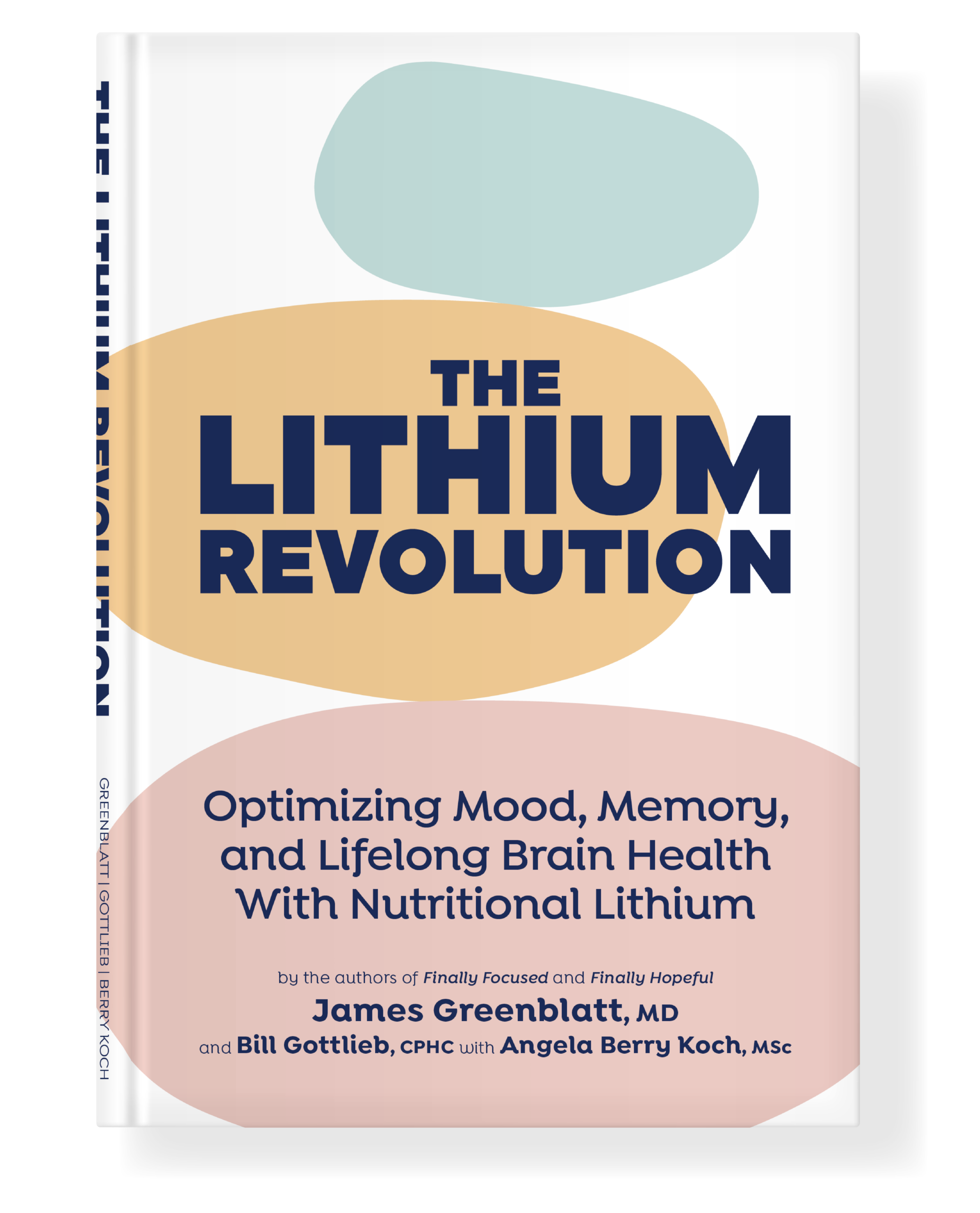
For readers interested in learning more about the emerging science of nutritional lithium, The Lithium Revolution: Optimizing Mood, Memory, and Lifelong Brain Health With Nutritional Lithium explores the history of lithium, the distinction between nutritional and pharmaceutical applications, and its role in supporting lifelong brain health.
References
- Shorter E. The history of lithium therapy. Bipolar Disord. 2009 Jun;11 Suppl 2(Suppl 2):4-9. doi: 10.1111/j.1399-5618.2009.00706.x. PMID: 19538681; PMCID: PMC3712976.
- Gadh S, Spuch C. HILL model: Head impact, inflammation, low-dose lithium
Trends Open, 2026; 0