Concussion initiates more than a neurological response. Following TBI, changes in inflammatory signaling, oxidative balance, cellular energy production, mitochondrial function, and neuronal signaling can occur together. These processes are interconnected, and persistent symptoms may reflect more than one of them.
Nutrition provides the energy, substrates and cofactors required to meet these demands.Beyond correcting nutritional inadequacies, certain bioactive compounds found in plants have been studied for their effects on pathways involved in inflammation, oxidative balance, mitochondrial function, vascular biology, and cellular defense.
This is where a multi-polyphenol approach becomes relevant.
The Metabolic Demands of Brain Recovery
The brain has substantial metabolic demands, accounting for roughly 20% of the body’s energy use. Maintaining membrane potentials, ion gradients, neurotransmission, and cellular repair requires continuous ATP production.
Following TBI, these demands occur alongside metabolic dysregulation. Changes in glucose utilization, mitochondrial metabolism, lipid oxidation, and ketone metabolism can alter how the brain produces and uses energy.
Adequate energy and nutrient intake therefore remain foundational. Protein, essential fats, minerals, hydration, and sufficient overall energy provide the substrates and cofactors required for cellular function, membrane integrity, neurotransmitter synthesis, and tissue repair.
Nutrition also provides biologically active compounds that can intersect with cellular signaling. Certain plant compounds have been studied for their influence on pathways involved in inflammation, oxidative balance, mitochondrial signaling, vascular function, and cellular defense.
Polyphenols are particularly compelling, as their biological activity extends across several of these processes.
Inflammation & Oxidative Stress
Inflammation is part of the normal response to brain injury. Problems can arise when inflammatory signaling and oxidative stress persist beyond the acute response.
These processes are closely related. Inflammatory signaling can increase oxidative stress, while oxidative stress can further alter cellular signaling and mitochondrial function.
Curcumin has been extensively investigated for effects on inflammatory and oxidative pathways.
A 2024 systematic review and meta-analysis in Frontiers in Neurology evaluated 18 animal studies of curcumin in TBI. Across the studies, curcumin reduced inflammatory cytokines including IL-1β, IL-6, and TNF-α and improved several measures of oxidative balance. It also increased markers associated with neuroprotection, including BDNF and CREB.
Building on this preclinical evidence, A 2023 randomized controlled trial examined oral nanocurcumin as an adjunct to standard care in 128 adults with severe TBI. Participants receiving nanocurcumin had greater improvements in level of consciousness and cerebral edema during hospitalization, along with lower mortality compared with the control group.
The research provides a rationale for continued investigation of curcumin in the context of TBI physiology.
Supporting Endogenous Cellular Defense
One mechanism of interest is Nrf2, a transcription factor that regulates endogenous antioxidant and cytoprotective responses.
Nrf2 influences the expression of enzymes involved in glutathione metabolism and other cellular defense mechanisms, including superoxide dismutase and catalase. Curcumin has been investigated as an Nrf2-modulating compound.
This is different from simply supplying an antioxidant. The potential relevance is its ability to influence the body’s own response to oxidative stress.
That distinction matters because reactive oxygen species (ROS) are also involved in normal cellular signaling. The objective is not to eliminate oxidative activity, but to maintain appropriate redox balance while cells respond to injury.
Mitochondria, Energy, & Neuroplasticity
Inflammatory and oxidative processes also intersect with mitochondrial function.
Mitochondria generate the ATP required for neuronal signaling, membrane maintenance, and cellular repair. Mitochondrial dysfunction has also been implicated in TBI and in other neurological and psychiatric conditions associated with impaired neuronal resilience.
Polyphenols, including curcumin, have been investigated for effects on mitochondrial signaling pathways such as AMPK and SIRT1.
Curcumin has also been studied in relation to brain-derived neurotrophic factor (BDNF), a neurotrophin involved in neuronal survival and synaptic plasticity. In preclinical TBI research, changes in BDNF and related signaling have been observed in response to curcumin. BDNF supports learning, memory, and the formation and strengthening of neural connections.
This creates an important connection within TBI physiology: cellular protection and neuroplasticity are closely linked, as maintaining cellular function is essential to the processes underlying neural repair and adaptation.
The Gut-Brain Connection
The effects of brain injury can also extend to gastrointestinal function.
The gut and brain communicate through neural, immune, endocrine, and metabolic pathways. The vagus nerve provides one important connection, while microbial metabolites and immune signaling provide others.
Following concussion, some individuals experience gastrointestinal symptoms or changes in gut function. Altered motility, dietary changes, stress physiology, and neurological signaling can all contribute.
The relationship is bidirectional: changes in the brain can influence the gut, while gut-derived signals can influence the brain.
Polyphenols are relevant here because they interact with both host physiology and the gut microbiome. Research suggests that dietary polyphenols may influence microbial composition, microbial metabolites, intestinal barrier signaling, and inflammatory pathways.
The importance of this connection is not that every person with concussion requires a gut intervention. Rather, gastrointestinal function represents another pathway through which inflammation, nutrient availability, and brain signaling may intersect.
Targeting Interconnected Pathways
The biology of TBI involves multiple pathways. This raises the question of whether a combination of polyphenols may be relevant when several aspects of cellular physiology are involved.
Curcumin, anthocyanins, flavonoids, catechins, and proanthocyanidins have different molecular structures and biological activities, but their effects can overlap across pathways involved in cellular stress and resilience.
Research on dietary polyphenols has examined effects on inflammatory signaling, oxidative stress, mitochondrial function, vascular biology, neuronal signaling, and the gut-brain axis.
This provides a rationale for investigating a broader polyphenol profile when multiple aspects of cellular physiology are relevant
CurcumaSorb Mind: A Multi-Polyphenol Approach
CurcumaSorb Mind by Pure Encapsulations brings several of these compounds together in a single formulation.
Each two-capsule serving provides:
- 300 mg Meriva® turmeric phytosome, standardized to 18% curcuminoids
- 300 mg Neurophenol®, providing a minimum of 85 mg flavonoids from whole grape and wild blueberry extracts
- 50 mg Monterey pine bark extract, a source of proanthocyanidins
- 100 mg green tea extract, standardized to 90% total catechins and 70% EGCG
The formulation is designed around complementary polyphenol sources rather than a single botanical.
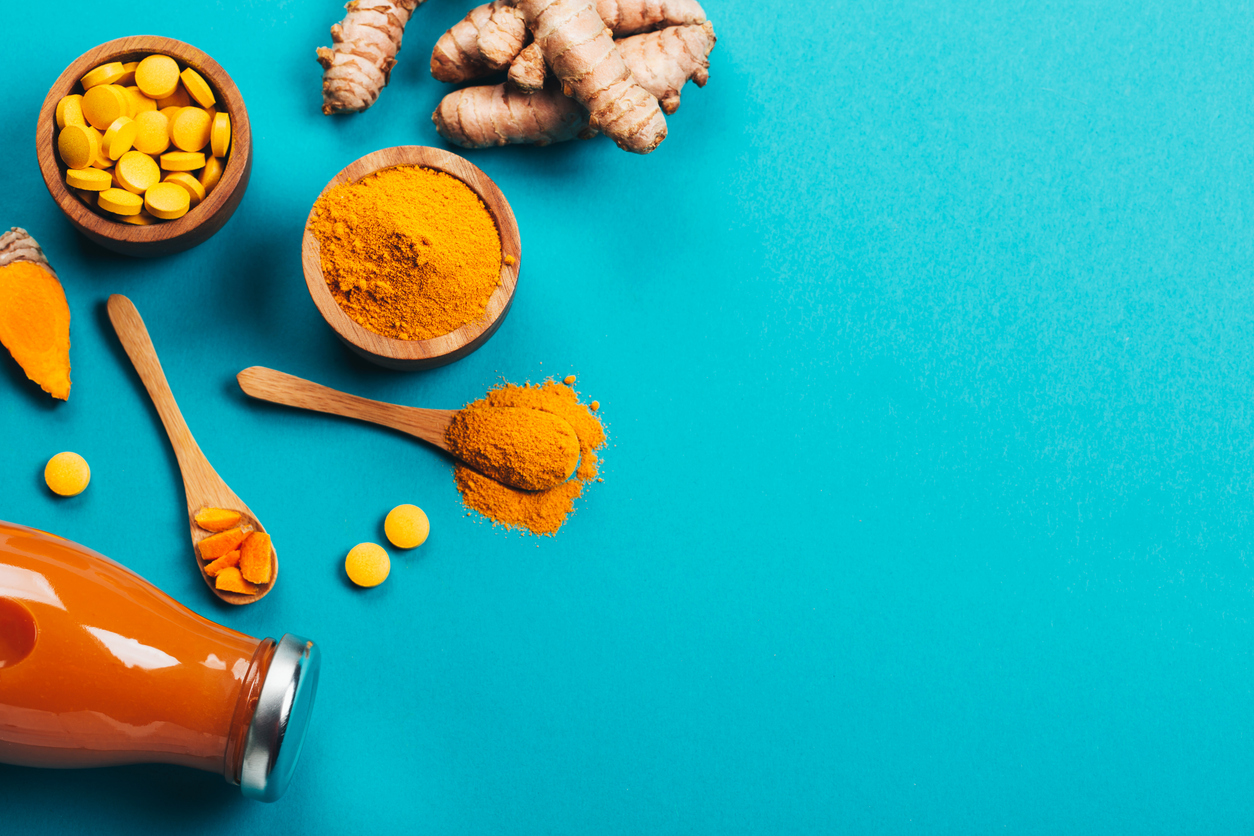
- Curcumin: Curcumin is the primary component, with research focused on inflammatory signaling, oxidative balance, Nrf2-related cellular defense, mitochondrial pathways, and neurotrophic signaling. The use of Meriva® turmeric phytosome also addresses an important practical consideration: curcumin has relatively poor natural bioavailability. Meriva® combines curcumin extract with phosphatidylcholine to improve absorption.
- Grape and Wild Blueberry Polyphenols: Neurophenol® provides flavonoids from whole grape and wild blueberry extracts, including anthocyanins and other polyphenolic compounds. These compounds have been studied in relation to oxidative stress, vascular function, neuronal signaling, and cognitive health. Vascular function is relevant as cerebral blood flow contributes to the delivery of oxygen and metabolic substrates required for neuronal function.
- Green Tea Catechins: Green tea extract contributes catechins, including EGCG, which have been studied for effects on oxidative stress, inflammatory signaling, mitochondrial function, and cellular stress responses.
- Pine Bark Proanthocyanidins: Monterey pine bark extract adds proanthocyanidins, extending the formulation’s polyphenol profile and providing additional compounds studied for antioxidant, vascular, and cellular effects.
Complementary Actions Across Key Pathways
The value of a multi-polyphenol formulation is that the compounds have activity across biological processes that can intersect following brain injury:
- Inflammation: Curcumin and other polyphenols have been studied for effects on inflammatory signaling.
- Oxidative balance and cellular defense: Curcumin, EGCG, anthocyanins, flavonoids, and proanthocyanidins have been studied in relation to oxidative stress and endogenous cellular defense pathways.
- Mitochondrial function: Polyphenols have been studied for effects on cellular energy and mitochondrial signaling.
- Neuroplasticity: Curcumin has been studied in relation to BDNF and other pathways involved in neuronal survival and synaptic plasticity.
- Vascular function: Flavonoids, anthocyanins, catechins, and proanthocyanidins have been studied for effects relevant to vascular health.
- Gut-brain signaling: Polyphenols interact with the gut microbiome and may influence microbial metabolites, intestinal barrier function, and inflammatory signaling.
These pathways do not function independently. Oxidative stress can affect mitochondrial function. Mitochondrial dysfunction can increase cellular stress. Inflammation can influence neuronal and vascular function. Gut-derived signals can influence systemic and neuroinflammatory pathways.
A multi-polyphenol formulation provides several classes of compounds that have been studied across these interconnected biological processes.
Putting Targeted Nutritional Support Into Context
Nutrition remains foundational. Adequate energy, protein, essential fats, vitamins, minerals, hydration, and whole-food phytonutrients provide the substrates and cofactors required to support the metabolic and cellular demands of recovery.
Targeted polyphenols add another layer of nutritional support by influencing biological processes relevant to the response to injury. CurcumaSorb Mind combines curcumin with grape and wild blueberry flavonoids, green tea catechins, and pine bark proanthocyanidins—compounds studied for their effects on inflammation, oxidative balance, metabolism, mitochondrial function, vascular biology, neuronal signaling, and the gut-brain connection
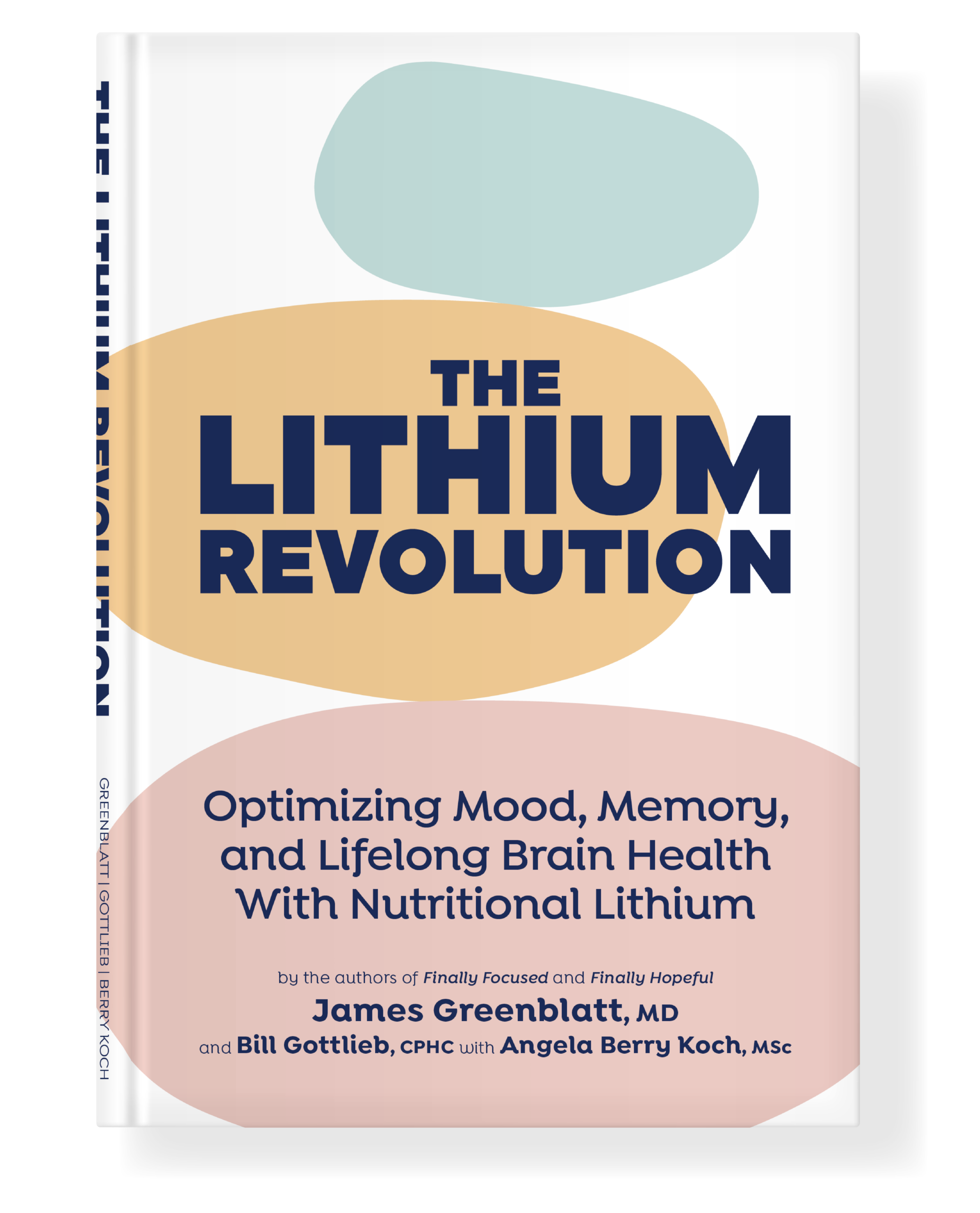
For a deeper exploration of nutritional lithium, brain health, and the emerging science surrounding low-dose lithium, see The Lithium Revolution: Optimizing Mood, Memory, an in d Lifelong Brain Health With Nutritional Lithium by James Greenblatt, MD.
References
- Oft HC, Simon DW, Sun D. New insights into metabolism dysregulation after TBI. J Neuroinflammation. 2024 Jul 29;21(1):184. doi: 10.1186/s12974-024-03177-6. PMID: 39075578; PMCID: PMC11288120.
- Guo J, Li Z, Yao Y, Fang L, Yu M and Wang Z (2024) Curcumin in the treatment of inflammation and oxidative stress responses in traumatic brain injury: a systematic review and meta-analysis. Front. Neurol. 15:1380353. doi: 10.3389/fneur.2024.1380353
- Jiang M, Wang L, Sheng H. Mitochondria in depression: The dysfunction of mitochondrial energy metabolism and quality control systems. CNS Neurosci Ther. 2024; 30:e14576. doi:10.1111/cns.14576
- Saatian MR, Rostayi M, Jalili E, Ataei S, Poormohammadi A, Farhadian M, Abdoli A. (2023). The effect of curcumin on the recovery of severe traumatic brain injury: A double-blind randomized controlled trial. Iranian Journal of Neurosurgery, 9. doi:10.32598/irjns.9.3.
- Farhan M, Faisal M. The Potential Role of Polyphenol Supplementation in Preventing and Managing Depression: A Review of Current Research. Life (Basel). 2024 Oct 21;14(10):1342. doi: 10.3390/life14101342. PMID: 39459643; PMCID: PMC11509552.
- Davinelli S, Medoro A, Hu FB, Scapagnini G. Dietary polyphenols as geroprotective compounds: From Blue Zones to hallmarks of ageing. Ageing Res Rev. 2025 Jun;108:102733. doi: 10.1016/j.arr.2025.102733. Epub 2025 Mar 20. PMID: 40120947.